Miniature Sheep
Shetland sheep are considered a “primitive” breed, though I prefer the term heritage. They have remained largely unchanged for hundreds of years, retaining the natural characteristics that allowed them to survive in some of the harshest environments. Originating from the Shetland Islands of Scotland, these sheep were introduced by Viking settlers in the 8th and 9th centuries and adapted to rugged terrain, limited forage, and challenging weather conditions.
Because of this history, Shetlands are naturally smaller in size and incredibly resilient. They are efficient grazers, able to thrive on pasture that many other breeds would struggle with. Traditionally known as a wool breed, they produce soft, high-quality fleece and have long been valued for both their practicality and beauty.
Shetlands are part of the North European short-tailed sheep family and are closely related to breeds such as Icelandic, Finn, and Romanov sheep. As one of the world’s oldest and purest sheep breeds, they have changed very little over time. In fact, their preservation is something I find especially meaningful.
The breed was once close to disappearing, but a small number of sheep were imported to Canada in 1948, followed by another limited group in 1980. These animals were carefully maintained, and over time, their offspring made their way into the United States. I am continually amazed that some of the sheep here at Munchkin Meadows Ranch can trace their lineage back to those early importations.
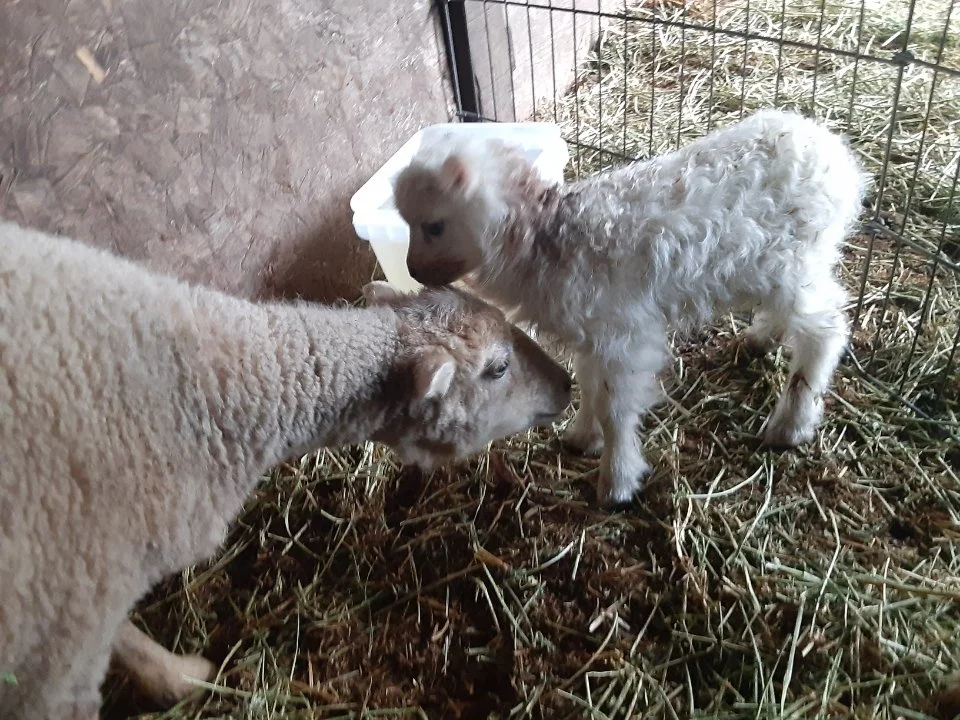
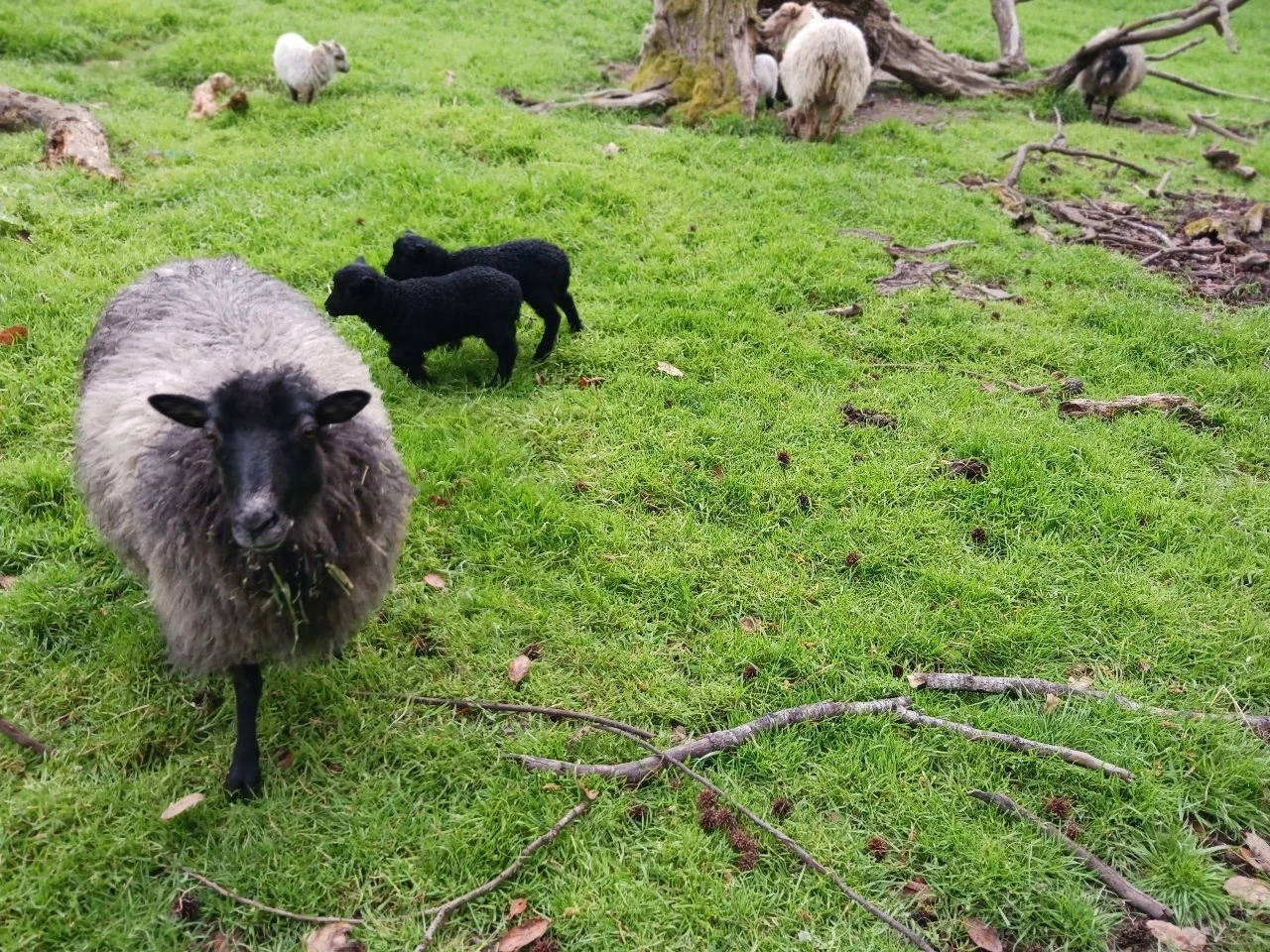
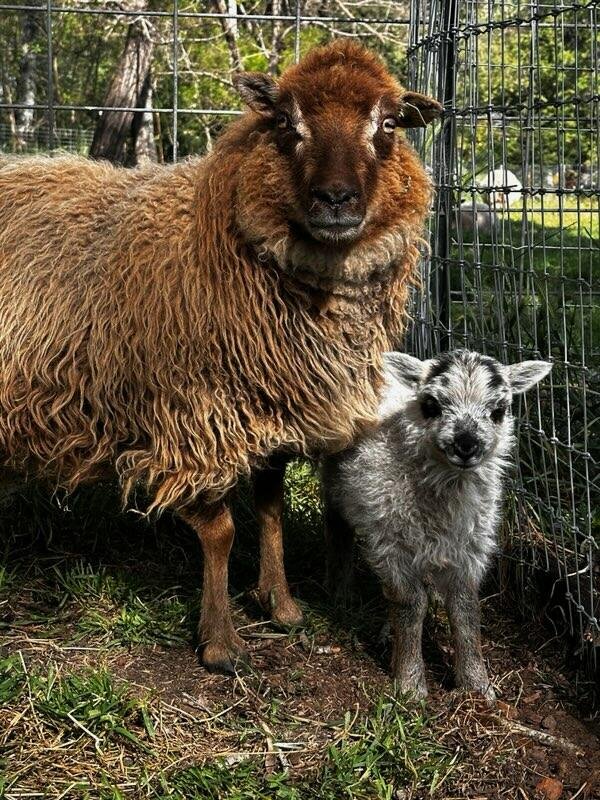
At the ranch, my focus has been on selectively breeding Shetland sheep for both smaller size and gentle temperament. While standard Shetlands typically range from 75 to 125 pounds, I have worked toward producing even smaller animals that are easier to handle and better suited for modern, small-scale living. Managing a 50-pound ewe is simply more practical than handling a much larger sheep, especially for individuals or families without extensive farming experience.
This approach aligns with what I believe is the growing importance of micro farming. Smaller livestock require less space, less feed, and less physical effort, making them ideal for smaller properties, hobby farms, and those looking to produce fiber or maintain land in a more manageable way. These sheep offer a balance of usefulness and companionship that fits well into a variety of lifestyles.
Beyond their practicality, Shetland sheep are truly enjoyable animals to have. They are intelligent, social, and full of personality. They respond well to routine, can be easily gathered when needed, and are generally calm and cooperative. Whether grazing quietly in the pasture or interacting during daily care, they bring a sense of ease and character to the ranch.
Munchkin Meadows Ranch continues to focus on preserving and refining these qualities. Each generation is thoughtfully bred with attention to size, temperament, and overall health. The goal is not just to maintain the breed, but to offer sheep that are approachable, manageable, and well-suited for today’s smaller-scale environments.
For those interested in learning more about the breed itself, the North American Shetland Sheep Association offers excellent resources and deeper insight into their history and characteristics.
Have questions or interested in learning more?